
Masters in Germany For Indian Students
A masters in Germany is a stepping stone towards a career built on excellence and innovation. With over 400 universities offering a wide range of public and private programs Germany has quietly became one of the top study destinations in the world. Indian students in particular have a lot to gain here whether they are drawn to highly specialise courses or broader programs designed to prepare them for a competitive global job market. If you are a Delhi based student dreaming of studying in Germany, the right overseas education consultant can turn that dream into a very achievable reality.
Why Study for a Masters in Germany?
A masters in Germany provides hands-on learning, English-taught programs and a multicultural environment. What makes Germany a top choice:
- Low or no tuition fees at public universities
- Globally recognised degrees
- Strong industry connections
- Availability of masters degree in English in Germany
- Post-study work opportunities
For many students a masters degree in Germany leads to long-term career growth.
Masters Courses in Germany for International Students
Germany offers a wide range of programs across various subjects. Most masters programs in Germany are taught in English, enabling access to international students. Programs such as engineering, computer science, business, data analytics, renewable energy and biotechnology commonly last 1.5 to 2 years, with internships included.
| Field | Courses | Duration | Language Options |
| Engineering | Mechanical, Automotive, Electrical | 2 years | English/German |
| Business | MBA, International Business, Finance | 2 years | English |
| IT & Tech | AI, Cybersecurity, Software Engineering | 1-2 years | Mostly English |
| Humanities | Psychology, Sociology | 2 years | English/German |
Top Universities in Germany for Masters
Germany offers a wide range of programs across various subjects. Most masters programs in Germany are taught in English, enabling access to international students. Programs such as engineering, computer science, business, data analytics, renewable energy and biotechnology commonly last 1.5 to 2 years, with internships included.
Provided below is a table with QS World University Rankings highlights:
University Name | Ranking (Global) |
Technical University of Munich | 22 |
Ludwig-Maximilians University of Munich | 58 |
Heidelberg University | 80 |
Freie University Berlin | 88 |
Karlsruhe Institute of Technology | 98 |
Eligibility Requirements for a Masters in Germany
Admissions to a masters programs in germany require a relevant Bachelor’s degree with good grades (2.5-3.0 German scale). Language proficiency is key; clearing TOEFL/IELTS for english and TestDaF/DSH for German is a must.
To apply for a masters program in Germany, one must meet the below mentioned academic criteria.
Requirement | Details |
Bachelor’s Degree | Relevant field of study |
Academic Scores | Minimum 60-70% |
Language Proficiency | IELTS/TOEFL for English |
German Language | Required for German-taught programs |
Admission Requirements for a Masters in Germany
To gain admission to a masters degree in Germany, the application process is straightforward but requires attention to detail:
- Academic transcripts
- Statement of Purpose
- Letters of recommendation
- Updated CV
- Proof of language proficiency
If you are planning to apply in Germany for a masters degree, make sure all the documents are prepared well in advance.
Cost of Studying in Germany
A standout benefit of a masters in Germany is affordability. A large number of public universities in Germany for a masters degree charge minimal fees for international students. They only charge a semester fee of €150-€350 covering transport and services. Private universities charge around €8,000-€20,000 per year. Germany keeps education costs low as compared to what students pay in other parts of the world.
Cost of Living in Germany
Living in Germany as a student is quite manageable on a reasonable budget. Most students find that €850 to €1,200 per month comfortably covers their day to day living expenses. To secure a student visa Germany requires proof of financial stability through a blocked account. This account must hold €11,904 per year showing authorities that you can support yourself throughout your studies.
Expense Category | Monthly Cost |
Accommodation | 300-600 |
Food | 150-300 |
Transportation | 50-100 |
Health insurance | 100-120 |
Utilities | 150-250 |
Total | 850-1,200 |
Costs may vary from city to city, higher in Munich and lower in smaller towns.
Scholarships in Germany for Indian Students
Funding your masters in Germany is seamless for international students. Students have access to a wide range of scholarships, grants and financial aid options to help cover their studies. With the scholarships mentioned below, one can do a masters degree in english in germany even more accessible.
Scholarship | Coverage |
DAAD | Tuition + Living Expenses |
Deutschlandstipendium | Partial funding |
Erasmus+ | Full/partial funding |
Scholarships in Germany for Indian Students
Applying for a masters degree in Germany for international students, you should consider the following:
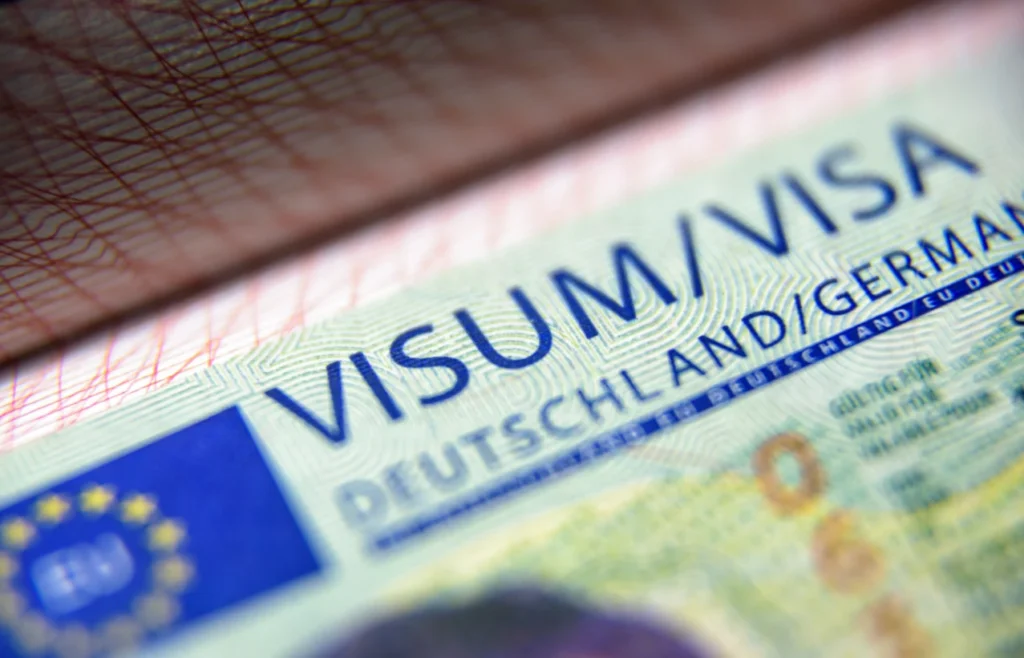
- Valid passport
- Admission letter
- Proof of funds
- Health insurance
- Visa application form
Scholarships in Germany for Indian Students
Applying for a masters degree in Germany for international students, you should consider the following:

If you want to apply in Germany for a masters degree, here is a simple breakdown of the application process to help you get started:
- Choose your course and university
- Check eligibility criteria
- Prepare documents
- Apply via university portal or Uni-Assist
- Wait for admission decision
- Apply for a student visa
Job Opportunities for Indian Students in Germany
Germany is actively looking for skilled professionals in areas like STEM, IT, engineering and healthcare making it a great destination for international graduates. Once you finish your degree you are entitled to an 18 month job search visa giving you plenty of time to land the right role. Industries like automobile, renewable energy, software and research are thriving and constantly on the lookout for fresh talent. Masters in Germany can provide you with skills for long-term success. It is an appropriate destination because it offers English-taught Masters degrees in English in Germany and has supporting policies.
Yes, Germany is hard to beat when it comes to high quality education, global recognition and low tuition fees.
Most public universities in Germany provide masters degrees for free or at remarkable low costs.
Here is the answer to the question.
Most public universities in Germany provide masters degrees for free or at remarkable low costs.
To apply successfully, you must have a relevant bachelor's degree, language fluency, and all of the requisite documentation.